Random Post: About
RSS 2.0
  • Home
  • About
  • Aligners
  • Genomes
  • Subscribe
  • VarScan
  •  

    Genetics and Epigenetics of Leukemia

    November 10th, 2010

    A study online at the New England Journal of Medicine reports that DNMT3A mutations in acute myeloid leukemia are common and associated with poor outcome for intermediate-risk patients. Previously, our group had characterized the genomes of two patients with cytogenetically normal AML (AML1 and AML2). The first genome (AML1) was initially sequenced with Illumina short reads (1×36 bp), revealing eight novel acquired (somatic) mutations but none that were recurrent. The second genome, AML2, harbored a recurrent mutation in the isocitrate dehydrogenase 1 gene (IDH1), which had recently been implicated in glioblastoma. Subsequent work has demonstrated that mutations in IDH1 and related gene IDH2 highly recurrent in AMLs with intermediate risk karyotypes (20-30% frequency).

    Resequencing the Relapse with Current NGS Technology

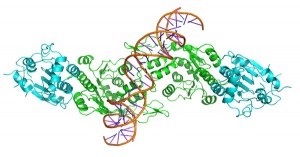
    For this study, we resequenced relapse tumor from patient AML1 using current Illumina technology (2×100 bp paired-end reads), achieving higher diploid coverage and enabling the identification of several novel nonsynonymous mutations. One of these was a 1-bp deletion in the DNA methyltransferase gene DNMT3A predicted to cause a frameshift resulting in a truncated protein.
    dnm3a-dnmt3l-dna
    DNMT3A/DNMT3A Complex with DNA

    Resequencing showed that it was present in the original tumor sample, and probably missed due to alignment difficulties for short reads. Screening the exons of DNMT3A in 281 additional AML tumors revealed that 61 (22.1%) also had DNMT3A mutations with translational consequences. The most common of these was a missense mutation at residue 882, found in 37 tumors.

    Mutation, Methylation, and Disease

    When we realized how common this mutation was, and considered that the gene involved is a DNA methyltransferase, I have to admit that a tantalizing picture emerged. In my mind, at least. Mutation could lead to aberrant methylation of the tumor genome. Demethylation unmasks oncogene expression. Hyper-methylation leads to genome-wide instability, causing more mutations that activate oncogenes and disable tumor suppressors. DNA methylation has long been suspected in cancer, but the relationship between mutation, methylation, and disease progression has not been definitively established. At last, it seemed like we would bridge that gap.

    We performed a number of experiments to determine if DNMT3A mutation status affected mutation rate, genome-wide methylation, or gene expression.  First, we examined the 38 AML tumors that had undergone whole-genome sequencing (WGS) to ~25x coverage. Eleven of these carried DNMT3A mutations. There was no apparent correlation, however, between DNMT3A mutation status and the number of high-confidence mutations called genome-wide. Next, we assessed gene expression in 188 AML tumors and matched (normal) controls on microarrays. DNMT3A was expressed in all 188 tumors and matched normals, regardless of mutation status. Unsupervised clustering of gene expression patterns did reveal distinct clusters, but none correlated with DNMT3A status. We further performed targeted cDNA resequencing in tumors with mutations, and confirmed expression of most mutant alleles at the expected 50% frequency (though some were not seen in any cDNA, probably due to nonsense-mediated decay).

    So no effect on mutation, and no changes in gene expression. Hold your breath, and let’s look at methylation. MeDIP assays revealed 182 regions that were differentially methylated between DNMT3A-mutated and non-mutated tumors. All were hypomethylated in the mutated samples. But there was no consistent effect on the expression of nearby genes. And, sadly, there was no global effect of DNMT3A mutaiton on DNA methylation. We were 0 for 3. Last but not least, we turned to the clinical data.

    Clinical Correlation: DNMT3A and Prognosis

    When we stratified AML patients by risk (based on cytogenetics) and DNMT3A mutation status, some interesting patterns emerged. First, DNMT3A mutations were completely absent from the favorable-prognosis group. Mutations were enriched, however, among patients classified as “intermediate risk” – normal or unclear karyotypes. And the outcome for DNMT3A-mutated patients was significantly poorer. The adverse-outcome association was independent of age, although older patients with DNMT3A had the worst outcomes of any group. And the association held true regardless of the presence of other commonly-mutated AML genes (NPM1, FLT3, IDH1/IDH2). Thus, DNMT3A mutation clearly contributes to AML pathogenesis, even if the mechanism by which it does so remains elusive. The fact that DNMT3A mutations are selected against in favorable-outcome patients suggests a true biological association.

    A lot of work remains to be done. We still need to uncover the mechanistic effect of DNMT3A mutations that underlies the pathogenesis. But this work has furthered our understanding of AML, by identifying a highly recurrently mutated gene and providing a marker to help stratify patients of intermediate risk. As highlighted in a perspective by Shannon and Armstrong, clinical trials of DNA methlytransferase inhibitors in AML are already under way. It may not be long before genomic discoveries are translated into actionable information for the treatment of cancer patients.

    Related Articles

    Researchers discovery key mutation in acute myeloid leukemia (NIH News)

    Mutations in single gene predict poor outcomes in adult leukemia (WashU Record)

    References
    Ley, T., Ding, L., Walter, M., McLellan, M., Lamprecht, T., Larson, D., Kandoth, C., Payton, J., Baty, J., Welch, J., Harris, C., Lichti, C., Townsend, R., Fulton, R., Dooling, D., Koboldt, D., Schmidt, H., Zhang, Q., Osborne, J., Lin, L., O’Laughlin, M., McMichael, J., Delehaunty, K., McGrath, S., Fulton, L., Magrini, V., Vickery, T., Hundal, J., Cook, L., Conyers, J., Swift, G., Reed, J., Alldredge, P., Wylie, T., Walker, J., Kalicki, J., Watson, M., Heath, S., Shannon, W., Varghese, N., Nagarajan, R., Westervelt, P., Tomasson, M., Link, D., Graubert, T., DiPersio, J., Mardis, E., & Wilson, R. (2010). DNMT3A Mutations in Acute Myeloid Leukemia
    New England Journal of Medicine DOI: 10.1056/NEJMoa1005143

    Shannon, K., & Armstrong, S. (2010). Genetics, Epigenetics, and Leukemia New England Journal of Medicine DOI: 10.1056/NEJMe1012071
    AddThis Social Bookmark Button

    The Fruits of a Thousand Genomes

    November 1st, 2010

    Last week saw the publication of the 1,000 Genomes Project, which has characterized ~15 million SNPs, 1 million short insertions/deletions (indels), and 20,000 structural variants in seven human populations. This is discovery and genotyping at unprecedented scale, with an astonishing 4.9 terabases (trillion bases) sequenced – the equivalent of about 1,500 human genomes – across three pilot projects:

    1. Deep whole-genome sequencing of trios (mother-father-daughter) from 2 populations
    2. Low-coverage sequencing of 179 unrelated individuals from 4 populations
    3. Exon sequencing of 906 randomly-selected genes in 697 individuals from 7 populations.

    The three pilots have shed new light on sequence variation in human genomes and its distribution among human populations. Perhaps unsurprisingly, variation was not evenly distributed in the genome – certain regions (e.g. HLA and sub-telomeres) show high rates of variation, whereas (e.g. a 5 Mbp, gene-dense, highly-conserved region on chromosome 3) show very little. At the chromosomal level, different forms of variation were highly correlated (e.g. SNPs and indels), but there were exceptions for some types of structural variants implicating different mechanisms of mutation.

    Novelty and Population-Specificity

    The vast majority of SNPs detected were already known to dbSNP. Among known variants, 56% were present in all population panels while 25% were found in only a single panel. In contrast, only 4% of novel variants were found in all panels and 84% were found in only one. This difference supports the notion that the majority of common SNPs in human populations have already been found. There’s more work to do for other forms of variation, though. Many of the novel SVs were detected in all population panels. Half of the common short indels had never been reported.

    The smallest two chromosomes – mitochondrial and Y – seemed to benefit the most. There was a lot of heteroplasmy in mitochondrial DNA within individuals – 79% of samples had length heteroplasmy, and 45% had substitution heteroplasmy. On the Y-chromosome, there were 2,870 variable sites, most of which (74%) were novel to public databases. These new variants helped identify several clear, significant sub-clades within the 12 haplotype groups represented in 1,000 Genomes samples.

    Coding Regions and Loss-of-Function Variants

    In total, the three pilots identified 68,300 non-synonymous variants, almost half of which were novel. Genotyping a subset of these in 620 samples revealed novel NSS variants had dramatically lower minor allele frequency (2.2%) than known ones (26.2%). From this I can draw two conclusions: most novel nonsynonymous variants are rare, and the majority could only have been identified by population-scale sequencing projects like these.

    The authors estimate that an individual genome differs from the reference at 10,000 to 11,000 nonsynonymous sites and perhaps 12,000 synonymous sites. A typical genome harbors a much smaller number of loss-of-function (LOF) variants — inframe/frameshift indels, early stops, and splice-site variants — perhaps 340-400 LOF variants per individual, affecting 250-300 genes. Compared to synonymous variants, putative functional variants (nonsynonymous and LOF) tend to have lower allele frequencies and be more population-specific, presumably due to the action of purifying selection against deleterious mutations. Which means, of course, that the really important variants are much harder to find.

    Signatures of Natural Selection

    Looking in and around genes, the authors found diversity is lowest in exons (50% that of introns) and slightly reduced in 5′ and 3′ UTRs, compared to intronic and intergenic sequences. This signature of natural selection acting upon genes actually has a broad effect; diversity is reduced by 10% in the vicinity of genes compared to gene-distant loci, and that reduction extends up to 85 kbp away. Thus, selection on linked sites appears to restrict variation across the majority of the human genome. Looking across panels, the authors observed that SNPs with large allele frequency differences between populations were enriched for nonsynonymous sites, likely reflecting local adaptation and selection by different continental groups.

    Finally, the authors examined the trios to look at a different environment for mutation and selection – immortalized cell lines. Some 952/1001 new mutations in the CEU daughter and 634/669 new mutations in the YRI daughter were not present in the germline, indicating that they occurred either in somatic cells or in the cell lines. Further, the higher number of mutations in the CEU sample may be related to the age of the lines – the CEU line is decades older than the YRI line.

    Implications for Future Studies

    The findings of the 1,000 Genomes Project thus far have immediate, significant impact on genetic association studies. Using publicly available gene expression data and their expanded catalogue of variants, the authors identified 20-30% more significant expression quantitative trait loci (eQTLs) than had previously been detectable. Thus, it is clear that while existing SNP arrays represent the majority of common variation, a significant amount of rare, phenotypically-relevant variation remains to be incorporated.

    References
    1000 Genomes Project Consortium (2010). A map of human genome variation from population-scale sequencing. Nature, 467 (7319), 1061-73 PMID: 20981092

    AddThis Social Bookmark Button

    Mutation Detection in Rare Disease by Pooled Sequencing

    October 13th, 2010

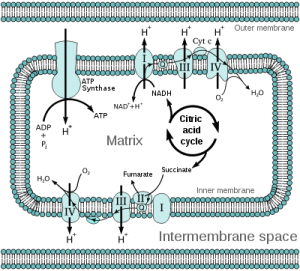
    When it comes to massively parallel sequencing, few areas of human health stand to benefit as much as rare genetic diseases. Indeed, both whole-genome and exome sequencing strategies have identified disease-causing mutations in probands with Charcot-Marie Tooth disease, Miller syndrome, severe brain malformations, and a few other disorders. The Mito10K project took a different approach. They assembled a cohort of mostly unrelated individuals with complex I deficiency (n=103), the most common cause of human respiratory chain diseases.

    complexi-mitochain

    Mitochondrial Electron Transport Chain (Wikipedia)

    Forty-two HapMap samples were included as controls. Instead of employing a whole-genome or exome strategy, they performed deep resequencing of carefully-chosen candidate genes in pools of ~20 samples. And they did it all using a single Illumina flowcell.

    Pooled Sequencing of Candidate Genes

    The candidates included 103 genes that (i) encoded known complex I proteins, (ii) were implicated in the disease, or (iii) were identified by phylogenetic profiling. The 145 kb target space comprised 653 exons from nuclear genes (138 kb) and two mtDNA regions (7 kb). About 90% of target regions achieved at least 100x coverage; the median redundancy was 3,359x per pool, which works out to ~168x per individual. Next, the authors developed a method (“Syzygy”) to model sequencing error and call variants at very low frequencies. A comparison of calls for the HapMap samples to existing genotype data suggested 92% sensitivity and 99.6% specificity, at sites where coverage was 100x or greater.

    Although the pooling strategy worked well for nuclear DNA, there were some problems with the targeted regions in mtDNA. Basically, the distribution of mtDNA was not uniform between samples. That may be due to the fact that while each cell contains exactly 2 copies of each nuclear chromosome, it contains numerous mitochondria and thus numerous copies of the MT chromosome (possibly 20-25 per cell, by one estimate). The resulting shift in sample representation can be quite dramatic. In one pool, for example, 96% of the mtDNA came from a single individual (5% of the pool). The bottom line is that sensitivity to call mutations in pooled samples is going to be lower for mtDNA.

    Variant Calling and “Deleteriousness” Prioritization

    The unfortunately-named Syzygy method identified 652 variants (high confidence); to boost sensitivity, the authors also employed an ad-hoc approach that called 246 more variants supported by at least 3 reads on each strand (low confidence). The 898 calls were filtered to prioritize variants that seemed likely to underlie a rare and devastating phenotype. In short, the authors removed:

    • Variants present in healthy individuals (HapMap controls) or public databases (dbSNP, mtDB, 1000 Genomes).
    • Synonymous or noncoding variants, unless they affected tRNA or splice sites.
    • Missense variants at positions of low evolutionary conservation

    Of 898 detected variants, 216 remained and were validated by multiplexed Sequenom genotyping. Some 82 sites were also Sanger-sequenced to assess the accuracy of the genotyping platform. The comparison revealed 11% false positives and 2% het/hom miscalls, for an overall error rate of 13% for Sequenom assays. Ouch. As for the variant calls, the validation rate was pretty good for high-confidence calls (91/109, or 84%) but rather abysmal for the low-confidence ones (12/107, or 11%).   Intriguingly, validation assays identified 12 additional pathogenic variants that were missed by the discovery screen. Based on these data, the sensitivity of the Syzygy method alone was 79.1% (91/115). That’s not bad, but probably not enough for a study whose goal is to identify rare disease-causing variants.

    New Diagnoses from Validated Mutations

    Some 60 of the sequenced cases lacked a previous molecular-genetic diagnosis. Among these, the authors were able to provide 11 new diagnoses based on mutations in known disease-causing genes. Several lines of supporting evidence were given to support the diagnoses:

    • 6 patients had mutations that were previously known to be disease-causing.
    • 3 patients were homozygous for deleterious mutations that caused splicing defects (observed in cDNA) and no detectable protein (by SDS-page and protein blot).
    • 2 patients had mutations in highly conserved protein domains.

    Intriguingly, half of the cases with known mutations (3/6) were compound heterozygotes; that is, they inherited a different defect in the same gene from mother and father. This apparent prevalence of compound hets in monogenic disease is unsettling because they tend to make pedigree analysis complicated and require detection of both variants in heterozygous form, which is more difficult to do by sequencing.

    Detection and Characterization of Novel Disease Genes

    The key finding of this paper (as suggested by the title) was the implication of two new genes in complex I deficiency: NUBPL and FOXRED1. Pathogenicity of each mutated genes was confirmed by a “rescue” assay in which introduction of wild-type cDNA into patient fibroblasts restored complex I activity. In the absence of rescue, residual complex I activity was markedly reduced (19-40%) in the NUBPL-mutated fibroblasts and strikingly reduced (9-15%) in the FOXRED1-mutated fibroblasts.

    The case with NUBPL mutations was particularly interesting. RT-PCR showed that the dominant mRNA species was truncated, and the full-length transcript hardly expressed at all. Sequencing revealed that the shortened fragment had a branch site mutatation that likely caused exon 10 skipping, as well as a missense mutation (Gly56Arg), both on the paternal chromosome. The maternal allele wasn’t expressed. Array-based copy number analysis, however, showed that the maternal chromosome had a complex rearrangement of NUBPL in which exons 1-4 were deleted and exon 7 was duplicated. Obviously this structural variation was not detected in the discovery screen. I think this highlights two things: the importance of structural variation in human disease, and the limitations of targeted sequencing on NGS platforms.

    Success and Limitations

    As the authors note in their discussion, key to the success of this study was the availability of cellular models of disease, with which the pathogenicity of newly discovered mutations in individual patients could be established. With the two new findings, the 11 newly diagnosed cases, and the 40 or so already-diagnosed cases, the authors now have identified the genetic defect for about half of the cases in their cohort.  What about the rest?  The authors admit that the causal mutations were likely missed because:

    1. They occur in genes not targeted in this study
    2. They affect targeted genes, but reside in noncoding regulatory regions or novel/unknown exons
    3. They were targeted, but not detected due to limited sensitivity (especially in mtDNA)
    4. They were detected, but filtered out as not likely to be deleterious
    5. They are large-scale deletions or rearrangements, which this approach can’t detect

    Despite these limitations, the authors have demonstrated that sequencing carefully-chosen candidate genes in pooled samples, with follow-up validation and experimental support, can successfully identify disease-causing mutations in a good-sized patient cohort. Not bad for a single flowcell.

    References

    Calvo, S., Tucker, E., Compton, A., Kirby, D., Crawford, G., Burtt, N., Rivas, M., Guiducci, C., Bruno, D., Goldberger, O., Redman, M., Wiltshire, E., Wilson, C., Altshuler, D., Gabriel, S., Daly, M., Thorburn, D., & Mootha, V. (2010). High-throughput, pooled sequencing identifies mutations in NUBPL and FOXRED1 in human complex I deficiency Nature Genetics, 42 (10), 851-858 DOI: 10.1038/ng.659

    Ng SB, Buckingham KJ, Lee C, et al (2010). Exome sequencing identifies the cause of a mendelian disorder. Nature genetics, 42 (1), 30-5 PMID: 19915526

    Bilgüvar K, Oztürk AK, Louvi A, et al (2010). Whole-exome sequencing identifies recessive WDR62 mutations in severe brain malformations. Nature, 467 (7312), 207-10 PMID: 20729831

    Lupski JR, Reid JG, Gonzaga-Jauregui C, et al (2010). Whole-genome sequencing in a patient with Charcot-Marie-Tooth neuropathy. The New England journal of medicine, 362 (13), 1181-91 PMID: 20220177

    Lalonde E, Albrecht S, Ha KC, et al (2010). Unexpected allelic heterogeneity and spectrum of mutations in Fowler syndrome revealed by next-generation exome sequencing. Human mutation, 31 (8), 918-23 PMID: 20518025

    AddThis Social Bookmark Button

    CSHL 2010: Genomes Get Personal

    September 22nd, 2010

    Last week I attended the third annual “Personal Genomes” meeting at Cold Spring Harbor. The meeting opened with a keynote talk by NHGRI director Eric Green, who reminded us that finding the pathway to genomic medicine is the central mission of NHGRI. He mentioned several of the past successful initiatives that have yielded key findings concerning human genetic variation and its relationship to phenotype: The HapMap Project (common variation), the ENCODE Project (functional variation), and the 1,000 Genomes Project (rare variation), to name a few. He showed the absolutely stunning growth of the NHGRI-hosted genome-wide association study (GWAS) catalog, which currently holds ~2,600 associations from 780 publications.

    Dr. Green also discussed the dichotomy of genetic architecture underlying human diseases, and took the position that while we’ve made substantial progress studying rare, monogenic, mendelian disorders (predominantly caused by coding mutations), we face a more daunting task with common, complex, multigenic diseases because he believes that these arise from primarily noncoding mutations.

    Theme 1: Human Mutation Rates

    Several talks addressed the topic of mutation rate in human genomes. Donald Conrad, who will be joining the WashU Genetics Department next year, presented mutation rate as a quantitative trait based on 1,000 Genomes Project trio data. Three of the primary sources of variation in mutation rate are age (males have 3x-6x higher rates), environment, and genetic variation (e.g. inherited aging disorders).

    Lee Hood gave an excellent keynote on “Systems Genetics and P4 Medicine”, part of which was a discussion of mutation rate. His group uses whole-genome sequencing (WGS) of family cohorts (in this case, the Miller syndrome family quartet), focusing on the ~2.3 GBP of non-repetitive reference sequence. Using the family information and inheritance modeling, they identify de novo mutations in the offspring, which manifest as errors of Mendelian inheritance. Validation using a custom capture array for 60,000 candidate sites followed by deep sequencing showed that only 1/1,000 “new” mutations in the offspring were real; the vast majority proved to be sequencing errors. That works out to a mutation rate of 1.1 x 10⁻⁸, or roughly 70 mutations per child.

    Lynn Jorde (Univ. of Utah) later gave a talk on directly estimating human mutation rate by WGS, also using the Miller syndrome quartet. Sequencing by Complete Genomics yielded >50x fold coverage per subject; there were ~4 million positions in the 1.8 Gbp of “useful” reference sequence in which at least one subject differed from the reference. Only 330,000 or so SNPs were novel (not known to dbSNP), and 20% of these proved to be sequencing errors. More array validation, more calculations, and the same answer as given by Dr. Hood: a mutation rate of 1.1 x 10⁻⁸.

    Theme 2: Personal Cancer Genomes

    Cancer genomes were another focus of the meeting. Sean Grimmond (Univ. of Brisbane, Queensland, Australia) presented some of his group’s work on pancreatic cancer as part of the International Cancer Genome Consortium (ICGC). Pancreatic is one of the most deadly forms of cancer; about 90% of patients diagnosed die within one year. Brisbane has assembled a very nice workflow from sample collection to sequencing, that includes pathology review, tumor dissection, QA, and microarray analysis to determine tumor cellularity. The sequencing strategy (WGS, exome, and RNA-seq) differs between high-cellularity (70-100%) and low-cellularity (~30%) tumors. The ultimate deliverable is a “tumor report” documenting cellularity estimates, microarray findings, cytogenetics, what sequencing was done, and what mutations were found.

    James Brugarolas (UT Southwestern Medical Center) described the genome evaluation and functional studies of a patient with clear cell renal carcinoma. I learned a bit more about this form of cancer – 85% of tumors prove to be the “clear cell” carcinoma; common lesions include 3p loss (VHL gene) and 5q35 gain. This particular tumor underwent Illumina whole-genome sequencing to 35x coverage; some 46 somatic mutations were validated. One of these was in a gene whose protein product complexes with mTOR, the central player in a known cancer pathway. The tumor was successfully xenografted to a mouse model; some 43/46 somatic mutations were retained, and all had higher frequencies (similar to our findings on basal-like breast cancer). The xenograft let them test a few different cancer drugs – erlotinib (an EGFR inhibitor that had no effect), sunitinib (the front-line therapy for these patients, also no effect), and others. Intriguingly, however, the tumor was sensitive to an mTOR inhibitor compound.

    Rick Wilson (The Genome Center at Washington University) gave a talk on whole-genome sequencing of leukemia patients at WashU. Of the 50+ leukemia patients sequenced to date, most have less than 20 valid protein-altering mutations. For most patients, low-resolution cytogenetic screens are the paradigm for disease classification and treatment decisions. Favorable-risk patients (17% of cases) undergo light chemotherapy. For adverse-risk patients (22% of cases), an all0-matched bone marrow transplant is the standard of care. That leaves a large body of patients (~61%) with “intermediate” risk according to cytogenetics; here, the correct treatment decision is harder to make. Better stratification of intermediate-risk patients is the first goal. Dr. Wilson related a fascinating case study, a 39-year-old female with suspected acute promyelotic leukemia, in which rapid-turnaround WGS was able to provide an accurate diagnosis that was not obtained by conventional FISH, and ultimately guided her treatment.

    Theme 3: Genome Regulation and Epigenetics

    Peter Laird (Univ. Southern California, LA) led us out of the genome to the epigenome with his talk on mining the cancer methylome. He argued that the first steps in oncogenesis may be epigenetic changes, specifically, the dysrgeulation of genes due to abnormal methylation. Dr. Laird presented what he’s calling the first cancer methylome – a tumor sample and matched normal control that underwent bisulfite treatment and sequencing to ~30x coverage. As expected, bisulfite sequencing yielded very accurate estimates of DNA methylation (r=0.97 with Illumina Infinium) but was able to do so across the complete human genome with base-pair resolution.

    Theme 4: Exome Sequencing

    There is a ton of exome sequencing going on. I saw at least two posters describing “whole” exome sequencing in 1,000 cases and 1,000 controls. I put “whole” in quotes because it’s not true at this point; people really shouldn’t be going around saying that the “whole exome” was sequenced. It’s more like 80-90% of known genes. Rick Lifton spoke about some of the valuable applications of exome sequencing – finding dominant reproductive lethal mutations, unraveling recessive traits with high locus heterogeneity, characterizing somatic mutations in cancer, and identifying rare variants associated with common disease. He described recently published work in which recessive mutations in WDR62 were linked to severe brain malformations by exome sequencing.  Matt Bainbridge gave a nice overview of the exome sequencing currently under way at Baylor. So yes, it turns out that groups outside of WashU are doing exome sequencing too.

    Other Presentations of Note

    There were just too many presentations to talk about. Stacia Wyman (Fred Hutchinson Cancer Center, Seattle) described post-transcriptional modification of microRNAs in prostate cancer. Randeep Singh (Philips Research Asia) brought us up to date on population genetics in India, and mentioned that we’ll soon see publication of the genomes of two “high profile” Indians. Two speakers from HudsonAlpha Institute (Huntsville, AL) – Richard Myers and Katherine Varley – spoke about “functional genomics” of allele-specific TF binding and methylation, respectively.

    I look forward to hearing how CSHL talks compared to those going on at “Genome Informatics”, currently underway at the Wellcome Trust Sanger Institute.

    AddThis Social Bookmark Button